Buy uebernachtung.eu ?
We are moving the project
uebernachtung.eu .
Are you interested in purchasing the domain
uebernachtung.eu ?
domain@kv-gmbh.de · 0541-91531010
Buy uebernachtung.eu ?
From what age can one stay in a hotel or bed and breakfast accommodation?
The minimum age requirement to stay in a hotel or bed and breakfast accommodation varies depending on the establishment. In general, most hotels and bed and breakfasts require guests to be at least 18 years old to check-in. Some establishments may allow guests between the ages of 16-18 to stay with a parent or guardian. It is best to check with the specific hotel or bed and breakfast for their age requirements before booking. **
From what age are you allowed to stay in a hotel or bed and breakfast accommodation?
The minimum age requirement to stay in a hotel or bed and breakfast accommodation varies depending on the establishment and location. In general, most hotels and bed and breakfasts require guests to be at least 18 years old to check-in. However, some places may allow guests as young as 16 to stay with a parent or guardian. It is always best to check with the specific accommodation for their age policy before making a reservation. **


Similar search terms for Acceptor
Top-Angebote
Products related to Acceptor:
-
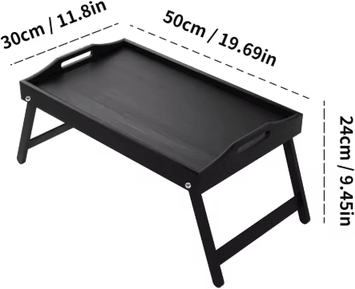
Fusion Finds Bamboo Bed Tray Folding Breakfast Table Portable Lap Desk Bamboo Bed Tray Folding Breakfast Table Portable Lap DeskEnjoy meals, reading, or relaxed work from the comfort of your bed or sofa. This bamboo bed tray provides a convenient raised surface for everyday activities without taking over your space. The folding bed table measures 50 30 23 cm and is crafted...149,97 $*Shipping: 0,00 $Secure redirect to the provider
-
Inspire Picks Folding Multifunctional Bed Tray Table Breakfast Dessert And Laptop Desk With Reading Rack bTurn any space into a comfortable, functional workstation or dining area. This folding tray table is designed for effortless use in the bedroom, office, or living roomperfect for breakfast in bed, tea time, or working on a laptop. With a smart,...138,99 $*Shipping: 0,00 $Secure redirect to the provider
-
Rare Purchases Foldable Bamboo Bed Tray Table With Folding Legs, Snack Tray, Breakfast Tray, Serving Laptop Tray, Handle Bed Table Foldable Bamboo Bed Tray Table With Folding Legs, Snack Tray, Breakfast Tray, Serving Laptop Tray, Handle Bed TableTransform your lounging experience with the Bamboo Bed Tray Table with Folding Legs, a stylish and functional addition to your home. Whether you're enjoying a cozy breakfast in bed or need a sturdy surface to work on your laptop, this versatile tray...89,97 $*Shipping: 0,00 $Secure redirect to the provider
-
Inspire Picks Bamboo Breakfast Bed Tray With Folding Legs Sofa Laptop And Snack Serving Tray Black White hei SEnjoy comfort and convenience anywhere with a versatile bamboo bed tray designed for everyday use. With foldable legs and a stable surface, its perfect for breakfast in bed, working on a laptop, or relaxing with snacks on the sofa. Simple, stylish,...60,55 $*Shipping: 0,00 $Secure redirect to the provider


-
What is the donor-acceptor concept?
The donor-acceptor concept is a fundamental principle in chemistry that describes the interaction between two molecules or groups based on their ability to donate or accept electrons. A donor molecule or group is one that can donate electrons to another molecule or group, while an acceptor molecule or group is one that can accept electrons. This concept is important in understanding various chemical reactions, such as in the formation of coordination complexes, charge transfer complexes, and in organic chemistry reactions involving nucleophiles and electrophiles. **
-
What is the donor-acceptor principle?
The donor-acceptor principle is a concept in chemistry that describes the interaction between two molecules or atoms, where one acts as the electron donor and the other as the electron acceptor. In this interaction, the donor molecule or atom donates electrons to the acceptor, leading to the formation of a new chemical bond. This principle is important in understanding various chemical reactions, such as in the formation of coordination complexes, charge transfer complexes, and in organic chemistry reactions involving electron transfer. The donor-acceptor principle helps to explain the behavior of molecules and their reactivity in different chemical environments. **
-
What is the difference between donor and acceptor?
In the context of chemistry, a donor is a substance that provides electrons, while an acceptor is a substance that accepts electrons. Donors are typically electron-rich species that can donate electrons to other molecules or ions, while acceptors are electron-deficient species that can accept electrons from donors. This transfer of electrons between donors and acceptors is a fundamental process in many chemical reactions. **
-
Is ammonium chloride a proton donor and acceptor?
Ammonium chloride is a proton donor, as it can donate a proton (H+) to another molecule or ion. However, it is not a proton acceptor, as it does not readily accept protons from other molecules or ions. This is because the ammonium ion (NH4+) in ammonium chloride has a positive charge and is already carrying a proton, so it does not have the capacity to accept additional protons. **

What determines a proton donor and a proton acceptor?
A proton donor is a substance that can release a proton (H+) in a chemical reaction, while a proton acceptor is a substance that can accept a proton. This ability is determined by the presence of a hydrogen atom with a positive charge (H+) in the molecule. In general, substances with a lone pair of electrons, such as a hydroxide ion (OH-) or an amine group (NH2), can act as proton acceptors, while substances with a hydrogen atom bonded to an electronegative atom, such as a hydrochloric acid (HCl) or acetic acid (CH3COOH), can act as proton donors. **
What is the difference between an acceptor and a receptor molecule?
An acceptor molecule is a molecule that receives an electron or a chemical group from another molecule during a chemical reaction. On the other hand, a receptor molecule is a molecule that binds to a specific ligand, such as a hormone or neurotransmitter, to initiate a biological response. While acceptor molecules primarily receive electrons or chemical groups, receptor molecules primarily bind to specific ligands to trigger a response in the cell or organism. **
Top-Angebote
Products related to Acceptor:
-
USA Free Shipping Shop Foldable Bamboo Bed Tray Table, Adjustable Lap Desk For Breakfast And Serving Needs Foldable Bamboo Bed Tray Table, Adjustable Lap Desk For Breakfast And Serving NeedsExperience Ultimate Comfort with the Adjustable Bamboo Bed Tray Lap Desk Elevate your daily routines with our Adjustable Bamboo Bed Tray Lap Desk Serving Table Folding Legs Breakfast Table. Crafted from premium, ecofriendly bamboo, this versatile...51,97 $*Shipping: 0,00 $Secure redirect to the provider
-
Fusion Finds Bamboo Bed Tray Folding Breakfast Table Portable Lap Desk Bamboo Bed Tray Folding Breakfast Table Portable Lap DeskEnjoy meals, reading, or relaxed work from the comfort of your bed or sofa. This bamboo bed tray provides a convenient raised surface for everyday activities without taking over your space. The folding bed table measures 50 30 23 cm and is crafted...149,97 $*Shipping: 0,00 $Secure redirect to the provider
-
Inspire Picks Folding Multifunctional Bed Tray Table Breakfast Dessert And Laptop Desk With Reading Rack bTurn any space into a comfortable, functional workstation or dining area. This folding tray table is designed for effortless use in the bedroom, office, or living roomperfect for breakfast in bed, tea time, or working on a laptop. With a smart,...138,99 $*Shipping: 0,00 $Secure redirect to the provider
-
From what age can one stay in a hotel or bed and breakfast accommodation?
The minimum age requirement to stay in a hotel or bed and breakfast accommodation varies depending on the establishment. In general, most hotels and bed and breakfasts require guests to be at least 18 years old to check-in. Some establishments may allow guests between the ages of 16-18 to stay with a parent or guardian. It is best to check with the specific hotel or bed and breakfast for their age requirements before booking. **
-
From what age are you allowed to stay in a hotel or bed and breakfast accommodation?
The minimum age requirement to stay in a hotel or bed and breakfast accommodation varies depending on the establishment and location. In general, most hotels and bed and breakfasts require guests to be at least 18 years old to check-in. However, some places may allow guests as young as 16 to stay with a parent or guardian. It is always best to check with the specific accommodation for their age policy before making a reservation. **
-
What is the donor-acceptor concept?
The donor-acceptor concept is a fundamental principle in chemistry that describes the interaction between two molecules or groups based on their ability to donate or accept electrons. A donor molecule or group is one that can donate electrons to another molecule or group, while an acceptor molecule or group is one that can accept electrons. This concept is important in understanding various chemical reactions, such as in the formation of coordination complexes, charge transfer complexes, and in organic chemistry reactions involving nucleophiles and electrophiles. **
-
What is the donor-acceptor principle?
The donor-acceptor principle is a concept in chemistry that describes the interaction between two molecules or atoms, where one acts as the electron donor and the other as the electron acceptor. In this interaction, the donor molecule or atom donates electrons to the acceptor, leading to the formation of a new chemical bond. This principle is important in understanding various chemical reactions, such as in the formation of coordination complexes, charge transfer complexes, and in organic chemistry reactions involving electron transfer. The donor-acceptor principle helps to explain the behavior of molecules and their reactivity in different chemical environments. **
Similar search terms for Acceptor
-
Rare Purchases Foldable Bamboo Bed Tray Table With Folding Legs, Snack Tray, Breakfast Tray, Serving Laptop Tray, Handle Bed Table Foldable Bamboo Bed Tray Table With Folding Legs, Snack Tray, Breakfast Tray, Serving Laptop Tray, Handle Bed TableTransform your lounging experience with the Bamboo Bed Tray Table with Folding Legs, a stylish and functional addition to your home. Whether you're enjoying a cozy breakfast in bed or need a sturdy surface to work on your laptop, this versatile tray...89,97 $*Shipping: 0,00 $Secure redirect to the provider
-
Inspire Picks Bamboo Breakfast Bed Tray With Folding Legs Sofa Laptop And Snack Serving Tray Black White hei SEnjoy comfort and convenience anywhere with a versatile bamboo bed tray designed for everyday use. With foldable legs and a stable surface, its perfect for breakfast in bed, working on a laptop, or relaxing with snacks on the sofa. Simple, stylish,...60,55 $*Shipping: 0,00 $Secure redirect to the provider
-
Inspire Picks Folding Multifunctional Bed Tray Table Breakfast Dessert And Laptop Desk With Reading Rack aTurn any space into a comfortable, functional workstation or dining area. This folding tray table is designed for effortless use in the bedroom, office, or living roomperfect for breakfast in bed, tea time, or working on a laptop. With a smart,...140,58 $*Shipping: 0,00 $Secure redirect to the provider
-
Inspire Picks Bamboo Breakfast Bed Tray With Folding Legs Sofa Laptop And Snack Serving Tray Black White hei LEnjoy comfort and convenience anywhere with a versatile bamboo bed tray designed for everyday use. With foldable legs and a stable surface, its perfect for breakfast in bed, working on a laptop, or relaxing with snacks on the sofa. Simple, stylish,...85,26 $*Shipping: 0,00 $Secure redirect to the provider
-
What is the difference between donor and acceptor?
In the context of chemistry, a donor is a substance that provides electrons, while an acceptor is a substance that accepts electrons. Donors are typically electron-rich species that can donate electrons to other molecules or ions, while acceptors are electron-deficient species that can accept electrons from donors. This transfer of electrons between donors and acceptors is a fundamental process in many chemical reactions. **
-
Is ammonium chloride a proton donor and acceptor?
Ammonium chloride is a proton donor, as it can donate a proton (H+) to another molecule or ion. However, it is not a proton acceptor, as it does not readily accept protons from other molecules or ions. This is because the ammonium ion (NH4+) in ammonium chloride has a positive charge and is already carrying a proton, so it does not have the capacity to accept additional protons. **
-
What determines a proton donor and a proton acceptor?
A proton donor is a substance that can release a proton (H+) in a chemical reaction, while a proton acceptor is a substance that can accept a proton. This ability is determined by the presence of a hydrogen atom with a positive charge (H+) in the molecule. In general, substances with a lone pair of electrons, such as a hydroxide ion (OH-) or an amine group (NH2), can act as proton acceptors, while substances with a hydrogen atom bonded to an electronegative atom, such as a hydrochloric acid (HCl) or acetic acid (CH3COOH), can act as proton donors. **
-
What is the difference between an acceptor and a receptor molecule?
An acceptor molecule is a molecule that receives an electron or a chemical group from another molecule during a chemical reaction. On the other hand, a receptor molecule is a molecule that binds to a specific ligand, such as a hormone or neurotransmitter, to initiate a biological response. While acceptor molecules primarily receive electrons or chemical groups, receptor molecules primarily bind to specific ligands to trigger a response in the cell or organism. **
* All prices are inclusive of VAT and, if applicable, plus shipping costs. The offer information is based on the details provided by the respective shop and is updated through automated processes. Real-time updates do not occur, so deviations can occur in individual cases. ** Note: Parts of this content were created by AI.