Buy uebernachtung.eu ?
We are moving the project
uebernachtung.eu .
Are you interested in purchasing the domain
uebernachtung.eu ?
domain@kv-gmbh.de · 0541-91531010
Buy uebernachtung.eu ?
From what age can one stay in a hotel or bed and breakfast accommodation?
The minimum age requirement to stay in a hotel or bed and breakfast accommodation varies depending on the establishment. In general, most hotels and bed and breakfasts require guests to be at least 18 years old to check-in. Some establishments may allow guests between the ages of 16-18 to stay with a parent or guardian. It is best to check with the specific hotel or bed and breakfast for their age requirements before booking. **
From what age are you allowed to stay in a hotel or bed and breakfast accommodation?
The minimum age requirement to stay in a hotel or bed and breakfast accommodation varies depending on the establishment and location. In general, most hotels and bed and breakfasts require guests to be at least 18 years old to check-in. However, some places may allow guests as young as 16 to stay with a parent or guardian. It is always best to check with the specific accommodation for their age policy before making a reservation. **
Similar search terms for Carita-Progressive-Neomorphose-Fundamental
Top-Angebote
Products related to Carita-Progressive-Neomorphose-Fundamental:
-
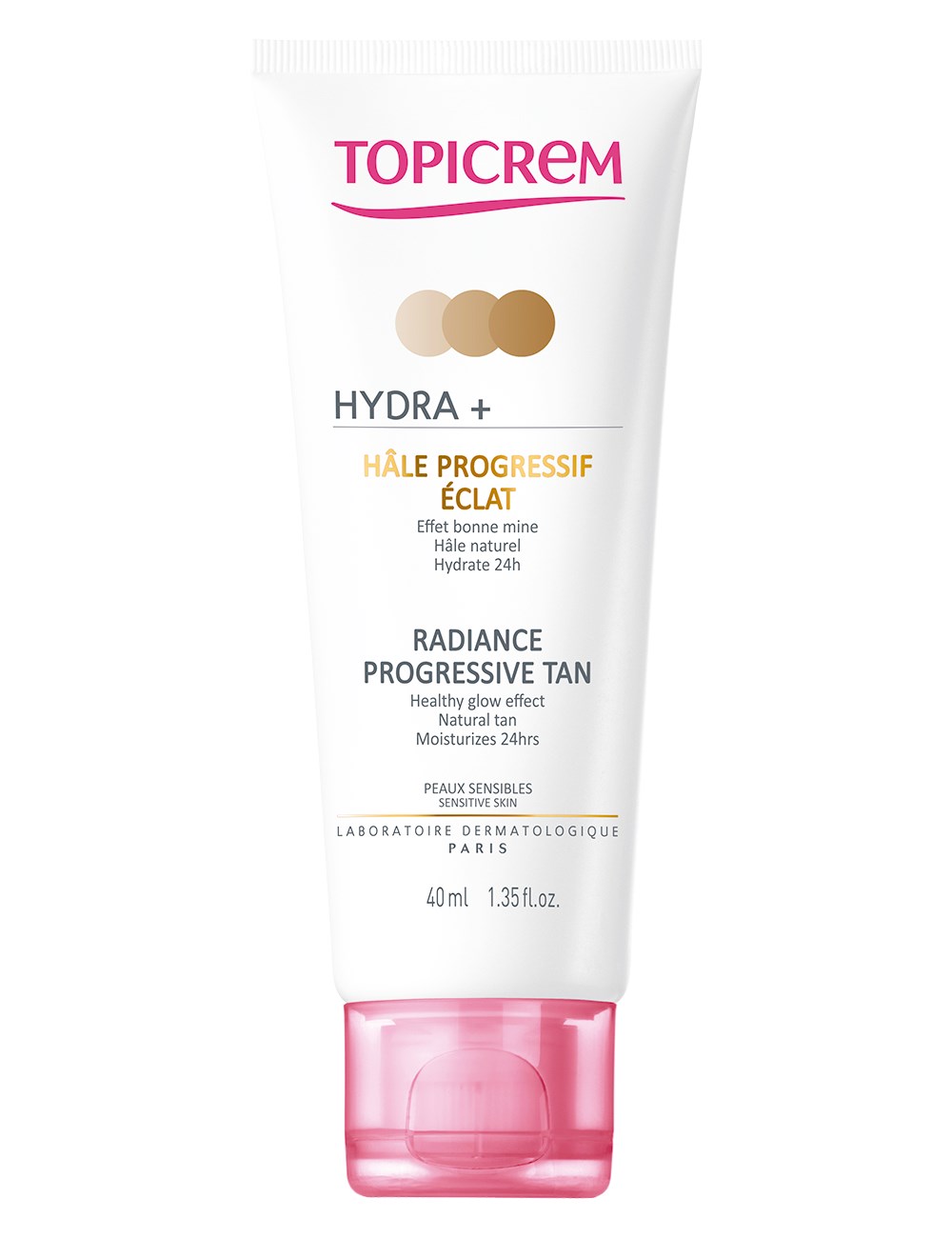
Topicrem Hidra + Radiance Progressive Tan 40mLA skin-care product for sensitive skin. A tan booster formulated with:. Pure glycerin at 99.5% of plant origin. DHA for a natural and progressive tan. A naturally tanned complexion in an easy-to-use gesture, has the benefits of a 24-hour moisturizing care, coupled with a tan effect for a slight, progressive bronze all year round.15,84 £*Shipping: 5,22 £Secure redirect to the provider
-
"""Tensley Fundamental Chardonnay 2022 White Wine - California""""""This wine shows a distinct minerality on the nose. Once you taste it you will get loads of traditional chardonnay flavors like apple, lemon, tropical fruits and a pinch of buttery oak. It's such a fun wine to drink because it covers all of the..."28,97 $*Shipping: 0,00 $Secure redirect to the provider
-
"""Tensley Fundamental Cabernet Sauvignon 2022 Red Wine - California""""""Sourced from multiple vineyards throughout the Central Coast. The 2021 Cabernet Sauvignon has a deep purple hue. Medium bodied, nicely balanced with ripe cherry and plum notes. Expresses excellent spice and complexity to pair with a meal."""28,97 $*Shipping: 0,00 $Secure redirect to the provider


-
What is the difference between Present Progressive and Future Progressive?
The Present Progressive tense is used to describe an action that is currently happening at the time of speaking. For example, "I am studying for my exam." On the other hand, the Future Progressive tense is used to describe an action that will be ongoing at a specific point in the future. For example, "I will be studying for my exam tomorrow." In summary, the Present Progressive tense is for actions currently happening, while the Future Progressive tense is for actions that will be happening at a specific point in the future. **
-
What is the difference between Present Perfect Progressive and Past Perfect Progressive?
The Present Perfect Progressive is used to indicate an action that started in the past and is still ongoing or has just been completed. It is formed with the present tense of "have been" or "has been" and the present participle of the main verb. For example, "I have been working on this project for two hours." On the other hand, the Past Perfect Progressive is used to indicate an action that was ongoing in the past and was still ongoing or had just been completed before another action in the past. It is formed with the past tense of "had been" and the present participle of the main verb. For example, "She had been studying for hours before she finally took a break." In summary, the main difference between the two tenses is the time frame they refer to - the Present Perfect Progressive refers to ongoing actions from the past up to the present, while the Past Perfect Progressive refers to ongoing actions in the past up to a specific point in the past. **
-
When do you use the past perfect progressive and the past progressive?
The past perfect progressive is used to describe an action that was ongoing in the past before another action took place. For example, "She had been studying for hours before her friends arrived." On the other hand, the past progressive is used to describe an ongoing action in the past without reference to another action. For example, "She was studying when her friends arrived." Both tenses are used to provide context and clarity about the timing of events in the past. **
-
What is the difference between the Past Progressive and the Past Perfect Progressive?
The Past Progressive tense is used to describe an ongoing action that was happening in the past. It is formed by using the past tense of the verb "to be" (was/were) and the present participle of the main verb (e.g. "was running"). On the other hand, the Past Perfect Progressive tense is used to describe a continuous action that was happening in the past before another action took place. It is formed by using the past perfect tense of the verb "to be" (had been) and the present participle of the main verb (e.g. "had been running"). In summary, the Past Progressive describes an ongoing action in the past, while the Past Perfect Progressive describes a continuous action that had been happening before another action in the past. **


What is the difference between the Past Perfect Progressive and the Present Perfect Progressive?
The Past Perfect Progressive is used to describe an action that was ongoing in the past before another action took place. It is formed with "had been" + the present participle of the main verb. For example, "She had been studying for hours before she finally understood the concept." On the other hand, the Present Perfect Progressive is used to describe an action that started in the past and is still ongoing or has just been completed. It is formed with "has/have been" + the present participle of the main verb. For example, "I have been working on this project for weeks and I'm finally finished." **
What does progressive mean?
Progressive refers to a belief in or advocacy for social, political, or economic reform and change. It often involves a commitment to addressing issues such as inequality, discrimination, and injustice, and working towards a more equitable and just society. Progressives seek to advance policies and initiatives that promote positive social change and improve the well-being of individuals and communities. **
Top-Angebote
Products related to Carita-Progressive-Neomorphose-Fundamental:
-
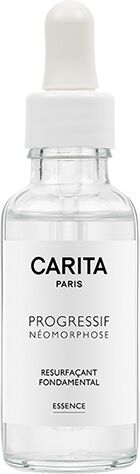
Carita Progressive Neomorphose Fundamental Resurfacing Micro Essence 3Enriched with fruit acids, salicylic acid and glycolic acid, Carita Fundamental Resurfacing Micro-Peel Essence reduces imperfections, uniforms the complexion and improves visibility of skin quality. This unique formula essence, brings to the skin without high-precision peeling at different levels of its surface. Key benefits: Fruit acids to remove impurities on the skin surface. Salycilic acid to refine skin texture. Ingredients:AQUA / WATER - ALCOHOL DENAT. - HYDROXYETHYLPIPERAZINE ETHANE SULFONIC ACID - GLYCOLIC ACID - DIISOPROPYL ADIPATE - PROPYLENE GLYCOL - PENTYLENE GLYCOL - CITRIC ACID - PEG-30 GLYCERYL COCOATE - CAPRYLOYL SALICYLIC ACID - POLYQUATERNIUM-10 - SODIUM HYDROXIDE - PPG-26-BUTETH-26 - PEG-40 HYDROGENATED CASTOR OIL - p-ANISIC ACID - TETRASODIUM EDTA.90,00 £*Shipping: 0,00 £Secure redirect to the provider
-
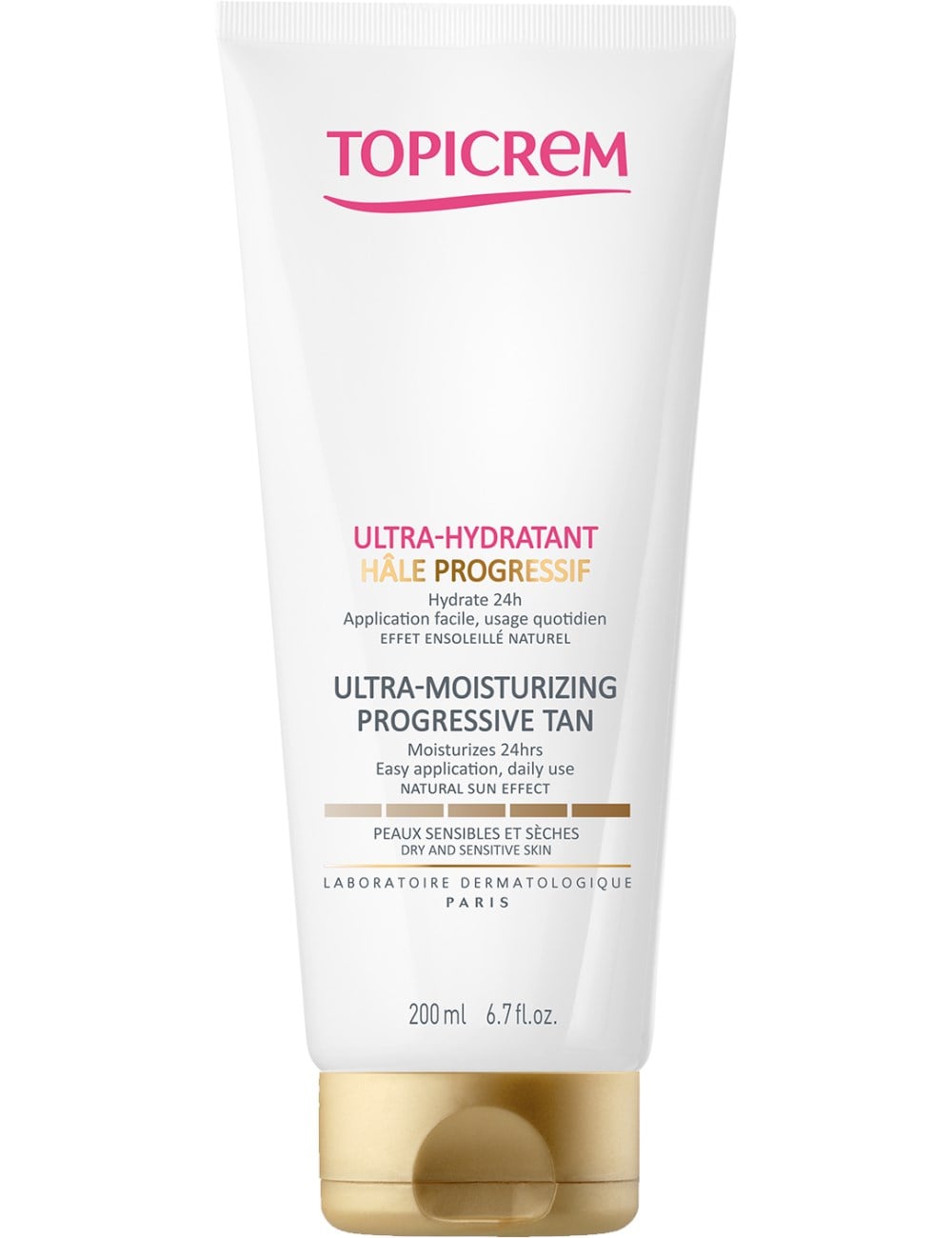
Topicrem Uh Progressive Tan 200mLA skin-care product for dry or dehydrated skin. It a care for sensitive or dry skin looking for a natural tan effect. Nourishes and protects - Beeswax. Suitable for sensitive and dry skin, with a creamy and fluid texture, being absorbed quickly, without leaving spots. Apply at night through a gentle massage.14,77 £*Shipping: 6,94 £Secure redirect to the provider
-
Topicrem Hidra + Radiance Progressive Tan 40mLA skin-care product for sensitive skin. A tan booster formulated with:. Pure glycerin at 99.5% of plant origin. DHA for a natural and progressive tan. A naturally tanned complexion in an easy-to-use gesture, has the benefits of a 24-hour moisturizing care, coupled with a tan effect for a slight, progressive bronze all year round.15,84 £*Shipping: 5,22 £Secure redirect to the provider
-
"""Tensley Fundamental Chardonnay 2022 White Wine - California""""""This wine shows a distinct minerality on the nose. Once you taste it you will get loads of traditional chardonnay flavors like apple, lemon, tropical fruits and a pinch of buttery oak. It's such a fun wine to drink because it covers all of the..."28,97 $*Shipping: 0,00 $Secure redirect to the provider
-
From what age can one stay in a hotel or bed and breakfast accommodation?
The minimum age requirement to stay in a hotel or bed and breakfast accommodation varies depending on the establishment. In general, most hotels and bed and breakfasts require guests to be at least 18 years old to check-in. Some establishments may allow guests between the ages of 16-18 to stay with a parent or guardian. It is best to check with the specific hotel or bed and breakfast for their age requirements before booking. **
-
From what age are you allowed to stay in a hotel or bed and breakfast accommodation?
The minimum age requirement to stay in a hotel or bed and breakfast accommodation varies depending on the establishment and location. In general, most hotels and bed and breakfasts require guests to be at least 18 years old to check-in. However, some places may allow guests as young as 16 to stay with a parent or guardian. It is always best to check with the specific accommodation for their age policy before making a reservation. **
-
What is the difference between Present Progressive and Future Progressive?
The Present Progressive tense is used to describe an action that is currently happening at the time of speaking. For example, "I am studying for my exam." On the other hand, the Future Progressive tense is used to describe an action that will be ongoing at a specific point in the future. For example, "I will be studying for my exam tomorrow." In summary, the Present Progressive tense is for actions currently happening, while the Future Progressive tense is for actions that will be happening at a specific point in the future. **
-
What is the difference between Present Perfect Progressive and Past Perfect Progressive?
The Present Perfect Progressive is used to indicate an action that started in the past and is still ongoing or has just been completed. It is formed with the present tense of "have been" or "has been" and the present participle of the main verb. For example, "I have been working on this project for two hours." On the other hand, the Past Perfect Progressive is used to indicate an action that was ongoing in the past and was still ongoing or had just been completed before another action in the past. It is formed with the past tense of "had been" and the present participle of the main verb. For example, "She had been studying for hours before she finally took a break." In summary, the main difference between the two tenses is the time frame they refer to - the Present Perfect Progressive refers to ongoing actions from the past up to the present, while the Past Perfect Progressive refers to ongoing actions in the past up to a specific point in the past. **
Similar search terms for Carita-Progressive-Neomorphose-Fundamental
-
"""Tensley Fundamental Cabernet Sauvignon 2022 Red Wine - California""""""Sourced from multiple vineyards throughout the Central Coast. The 2021 Cabernet Sauvignon has a deep purple hue. Medium bodied, nicely balanced with ripe cherry and plum notes. Expresses excellent spice and complexity to pair with a meal."""28,97 $*Shipping: 0,00 $Secure redirect to the provider
-
"""Tensley Fundamental Red Blend 2021 Red Wine - California""""""Tensley Fundamental Red Blend consists of Syrah, Grenache, Mourvèdre, Petite Syrah and splash of Viognier. It is full of character and offers rich notes of blue and red berries. It is medium to full-bodied with enough fruit and complexity."""24,97 $*Shipping: 0,00 $Secure redirect to the provider
-
"""Tensley Fundamental Pinot Noir 2022 Red Wine - California""""""The majority of the Pinot Noir comes from the acclaimed St. Rita area giving the wine a beautiful red fruit component while the Santa Maria fruit gives it an unmistakable savory California Pinot nose. Complex enough to make you think but still easy..."28,97 $*Shipping: 0,00 $Secure redirect to the provider
-
When do you use the past perfect progressive and the past progressive?
The past perfect progressive is used to describe an action that was ongoing in the past before another action took place. For example, "She had been studying for hours before her friends arrived." On the other hand, the past progressive is used to describe an ongoing action in the past without reference to another action. For example, "She was studying when her friends arrived." Both tenses are used to provide context and clarity about the timing of events in the past. **
-
What is the difference between the Past Progressive and the Past Perfect Progressive?
The Past Progressive tense is used to describe an ongoing action that was happening in the past. It is formed by using the past tense of the verb "to be" (was/were) and the present participle of the main verb (e.g. "was running"). On the other hand, the Past Perfect Progressive tense is used to describe a continuous action that was happening in the past before another action took place. It is formed by using the past perfect tense of the verb "to be" (had been) and the present participle of the main verb (e.g. "had been running"). In summary, the Past Progressive describes an ongoing action in the past, while the Past Perfect Progressive describes a continuous action that had been happening before another action in the past. **
-
What is the difference between the Past Perfect Progressive and the Present Perfect Progressive?
The Past Perfect Progressive is used to describe an action that was ongoing in the past before another action took place. It is formed with "had been" + the present participle of the main verb. For example, "She had been studying for hours before she finally understood the concept." On the other hand, the Present Perfect Progressive is used to describe an action that started in the past and is still ongoing or has just been completed. It is formed with "has/have been" + the present participle of the main verb. For example, "I have been working on this project for weeks and I'm finally finished." **
-
What does progressive mean?
Progressive refers to a belief in or advocacy for social, political, or economic reform and change. It often involves a commitment to addressing issues such as inequality, discrimination, and injustice, and working towards a more equitable and just society. Progressives seek to advance policies and initiatives that promote positive social change and improve the well-being of individuals and communities. **
* All prices are inclusive of VAT and, if applicable, plus shipping costs. The offer information is based on the details provided by the respective shop and is updated through automated processes. Real-time updates do not occur, so deviations can occur in individual cases. ** Note: Parts of this content were created by AI.